Introduction
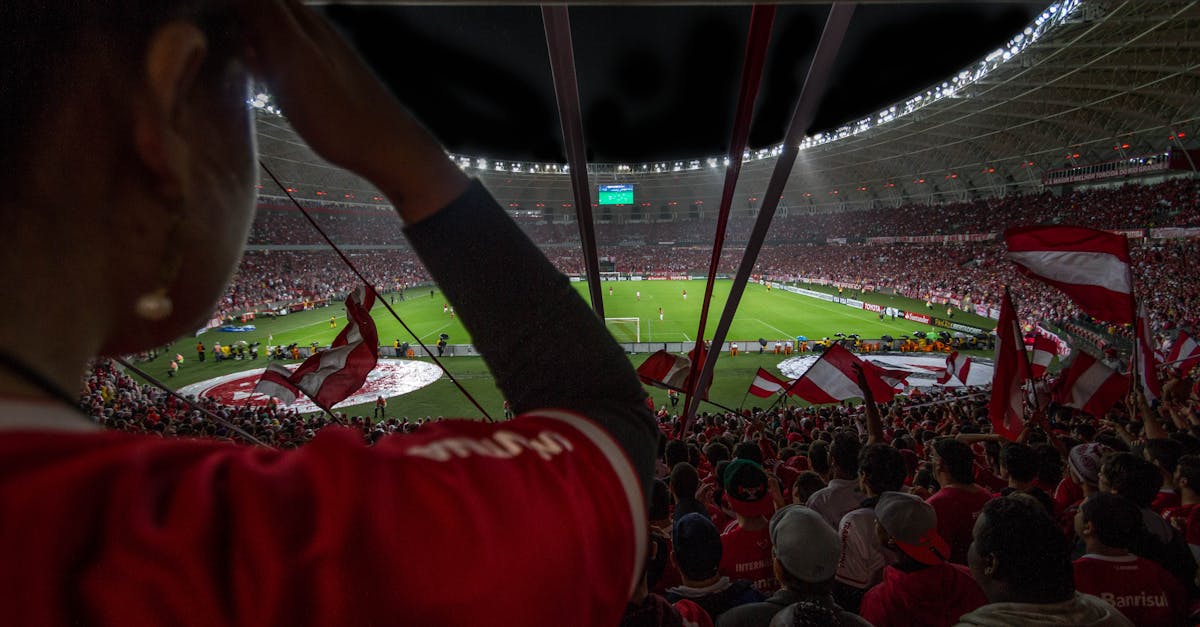
Back in 1930, when Uruguay hosted the inaugural FIFA World Cup, stadiums were relatively simple structures. Maracanã, 2026 world cup ball technology explained for instance, was built for the 1950 tournament and was a marvel of its time, but lacked the technological integration we see today. The World Cup 2026, set to be the most expansive yet with matches spread across North America, promises a different kind of spectacle. It's not just about the expanded format; it's about the stadiums themselves, evolving into sophisticated hubs of technology designed to enhance every facet of the game, from player performance to fan experience. This evolution reflects a broader trend in football, where innovation is constantly pushing boundaries, impacting everything from how we analyze matches to how we engage with the sport.
Technological Advancements in Stadium Design
This table illustrates how technological investments in the World Cup 2026 stadiums serve a dual purpose: elevating the fan experience through enhanced connectivity and interactivity, and providing players and coaches with unprecedented data insights. The challenges of implementation, from cost to cybersecurity, are significant but are being addressed to ensure these venues are future-proof. This focus on technology is a testament to how sports, particularly football, are embracing innovation to stay relevant and engaging in the digital age. Understanding these advancements is key to appreciating the full scope of the 'World Cup 2026 review'.
Player Performance and Fan Experience: A Technological Bridge
The chosen venues showcase a range of technological capabilities. While all will meet high standards, lich thi dau world cup 2026 some are leveraging existing advanced infrastructure, while others are undergoing significant upgrades. This includes the implementation of 5G networks for ultra-fast connectivity, advanced LED lighting systems for enhanced visual effects and broadcast quality, and state-of-the-art communication systems for emergency services and operational efficiency. The integration of these systems is key to ensuring smooth operations, especially given the scale of the 'World Cup 2026 review' that will follow.
Stadium Tech Comparison
The data highlights a clear trend towards enhanced connectivity and immersive visual experiences. Stadiums like SoFi and AT&T are already renowned for their technological prowess, boasting massive video boards and robust network infrastructure. These facilities are not just about accommodating fans; they are designed to provide a data-rich environment. This technological backbone is essential for everything from live streaming to advanced analytics, underpinning the modern football experience. The commitment to these upgrades ensures that the 'World Cup 2026' will be a benchmark for future sporting events.
| Stadium | City | Capacity | Key Technology Feature | Connectivity |
|---|---|---|---|---|
| SoFi Stadium | Inglewood, California | 70,240 (expandable) | Advanced LED video boards, 5G network | High-speed Wi-Fi, 5G |
| AT&T Stadium | Arlington, Texas | 80,000 (expandable) | Massive center-hung video board, robust Wi-Fi | Extensive Wi-Fi coverage |
| Estadio Azteca | Mexico City | 87,523 | Modernized infrastructure, enhanced broadcast facilities | Upgraded network capabilities |
| MetLife Stadium | East Rutherford, New Jersey | 82,500 | High-density Wi-Fi, advanced broadcast infrastructure | Robust Wi-Fi, 4G/5G |
The 2026 FIFA World Cup will be the first to feature 48 teams, significantly increasing the demand for robust technological infrastructure across all host cities to manage the expanded tournament logistics and fan engagement.
The Future of Football: Data and Connectivity
The stadiums selected for the World Cup 2026 are not merely venues; they are intelligent environments. We're talking about integrated systems that go beyond basic broadcasting. Think advanced Wi-Fi infrastructure to support massive data streams, high-definition replay systems, and sophisticated crowd management solutions. These aren't just amenities; they are crucial for delivering a seamless experience for fans and players alike. The shift is from passive viewing to interactive engagement, a concept that extends to how fans consume content related to the tournament, like seeking out 'cách xem lại highlight World Cup' or understanding 'tuyển Việt Nam vòng loại World Cup 2026' prospects.
Fan Engagement Technologies
Technology in these modern arenas directly impacts player performance. Real-time analytics, often powered by advanced sensors and tracking systems, provide invaluable data for coaches. This data helps in tactical adjustments and understanding player fatigue, crucial in a high-stakes tournament like the World Cup. For fans, this translates into richer viewing experiences. Imagine integrated augmented reality (AR) overlays accessible via mobile apps, offering live stats or player information directly on your field of view. This is the direction 'beyond VAR emerging technologies 2026 World Cup experience' is heading. The goal is to make every spectator feel more connected to the action, blurring the lines between being at the stadium and following the game digitally. This also ties into how fans check 'lịch thi đấu World Cup 2026' or follow the 'FIFA World Cup 2022 Golden Ball winner analysis' to understand player trajectories.
| Technology | Impact on Fan Experience | Impact on Player Performance | Implementation Challenge |
|---|---|---|---|
| 5G Connectivity | Faster downloads, AR/VR experiences, real-time interaction | Low-latency communication for training data | Cost, widespread deployment |
| Advanced Analytics Platforms | Personalized content, real-time stats | Performance tracking, injury prevention | Data privacy, integration complexity |
| High-Definition Displays | Immersive replays, dynamic information | Tactical review during breaks | Energy consumption, maintenance |
| Smart Ticketing & Access | Seamless entry, personalized offers | N/A | Cybersecurity, user adoption |
The technological integration in these stadiums is a glimpse into the future of football. It supports the growing importance of data analytics in player development and match strategy, a field that continues to evolve rapidly. For fans, it means more engaging content, from real-time stats to interactive experiences. The success of these venues will be measured not just by the matches played, but by how they facilitate a deeper connection with the sport. This technological leap also affects how fans follow their national teams, with discussions around 'Việt Nam vòng loại World Cup 2026' becoming more data-informed. The infrastructure put in place will also be crucial for supporting fan access to information, including 'FPT Play xem World Cup có bản quyền không' or 'lịch sử World Cup và những thay đổi năm 2026'.
Did You Know?
Beyond the pitch, fan engagement is being revolutionized. Mobile apps will likely offer interactive features, personalized content, and seamless access to concessions and merchandise. The ability to quickly access 'cách xem lại highlight World Cup' or check 'lịch thi đấu World Cup 2026' on the go will be paramount. This digital layer transforms the stadium visit from a passive event to an active, personalized journey. The underlying network infrastructure, often involving complex 'assets global plugins jquery file upload server php' integrations for content delivery, is the unsung hero.
Our Verdict
The stadiums hosting the World Cup 2026 represent a significant leap forward in sports venue technology. They are designed to be dynamic, data-driven environments that cater to the evolving expectations of modern football fans and the sophisticated needs of professional athletes. From advanced connectivity to immersive fan experiences, these venues are setting a new standard. This technological integration is not just about luxury; it's about enhancing the integrity, accessibility, and excitement of the game, ensuring that the 'những ngôi sao sân ta sáng' (our stars shine) on a global stage equip for the future. The legacy of this tournament will undoubtedly extend to the technological blueprints of stadiums worldwide, influencing how we experience football for years to come.
Browse by Category
- Mirr_mien Nam/Xsbth 10 11 2011 Ket Qua Xo So Binh Thuan Ngay 10 11 2011 P7
- Mirr_kqxs 6 12 2021 Ket Qua Xo So Ngay 6 12 2021
- Mirr_mien Trung/Xsdng 21 6 2017 Ket Qua Xo So Da Nang Ngay 21 6 2017 P24
- Mua Bong World Cup Moi Nhat O Dau
- Mirr_mien Trungxsqnm 21 4 2015 Ket Qua Xo So Quang Nam Ngay 21 4 2015 P34
- Mirr_mien Trung/Xskh 2 3 2016 Ket Qua Xo So Khanh Hoa Ngay 2 3 2016 P28
- Mirr_mien Nam/Xsbp 5 8 2017 Ket Qua Xo So Binh Phuoc Ngay 5 8 2017 P6
- Mirr_mien Trungxstth 11 8 2019 Ket Qua Xo So Thua Thien Hue Ngay 11 8 2019 P36
- Mirr_mien Nam Xsdn 25 10 2017 Ket Qua Xo So Dong Nai Ngay 25 10 2017 P11
- Mirr_mien Nam/Xshcm 12 1 2015 Ket Qua Xo So Thanh Pho Ho Chi Minh Ngay 12 1 2015 P14
Sources & References
- The Athletic Football Analysis — theathletic.com (In-depth tactical breakdowns)
- FIFA Official Reports — fifa.com (Tournament & qualification data)
- UEFA Technical Reports — uefa.com (Tactical analysis & competition data)
Explore More Topics (15)
- Lich Su Doi Dau Cac Doi Vong Loai World Cup 2026
- Nhung Thay Doi Lut Bong Ap Dung World Cup 2026
- Tuyen Viet Nam Da San Nao Vong Loai World Cup 2026
- Bn Quyn Truyn Hnh World Cup 2026 Ti Vit Nam
- Lch Truyn Hnh Trc Tip World Cup
- World Cup 2026 Co Mo Rong Them Chau Luc Nao Khong
- Ket Qua Boc Tham Chia Bang World Cup
- World Cup 2026 To Chuc O May Nuoc La Dieu Khien Nhieu Nguoi Ham Mo Thac Mac
- World Cup Bao Nhiu Nm T Chc 1 Ln
- Ao Dau Doi Tuyen Vo Dich World Cup 2022
- Nhng Quy Tc Moi V Thay Ngi World Cup 2026
- Mirr_mien Trungxsnt 26 5 2017 Ket Qua Xo So Ninh Thuan Ngay 26 5 2017 P30
- Lich Thi Dau World Cup Tren Lich Google
- Qun C Ph Xem World Cup Mn Hnh Ln
- Mirr_xsmb 27 4 2022 Ket Qua Xo So Mien Bac Ngay 27 4 2022